My Story
In Robin Wall Kimmerer’s brilliant book, Braiding Sweetgrass, she writes of her beloved sweetgrass, the plant that has sustained the Citizen Potawatomi Nation for hundreds of years: “Breathe it in and you start to remember things you didn’t know you’d forgotten.”
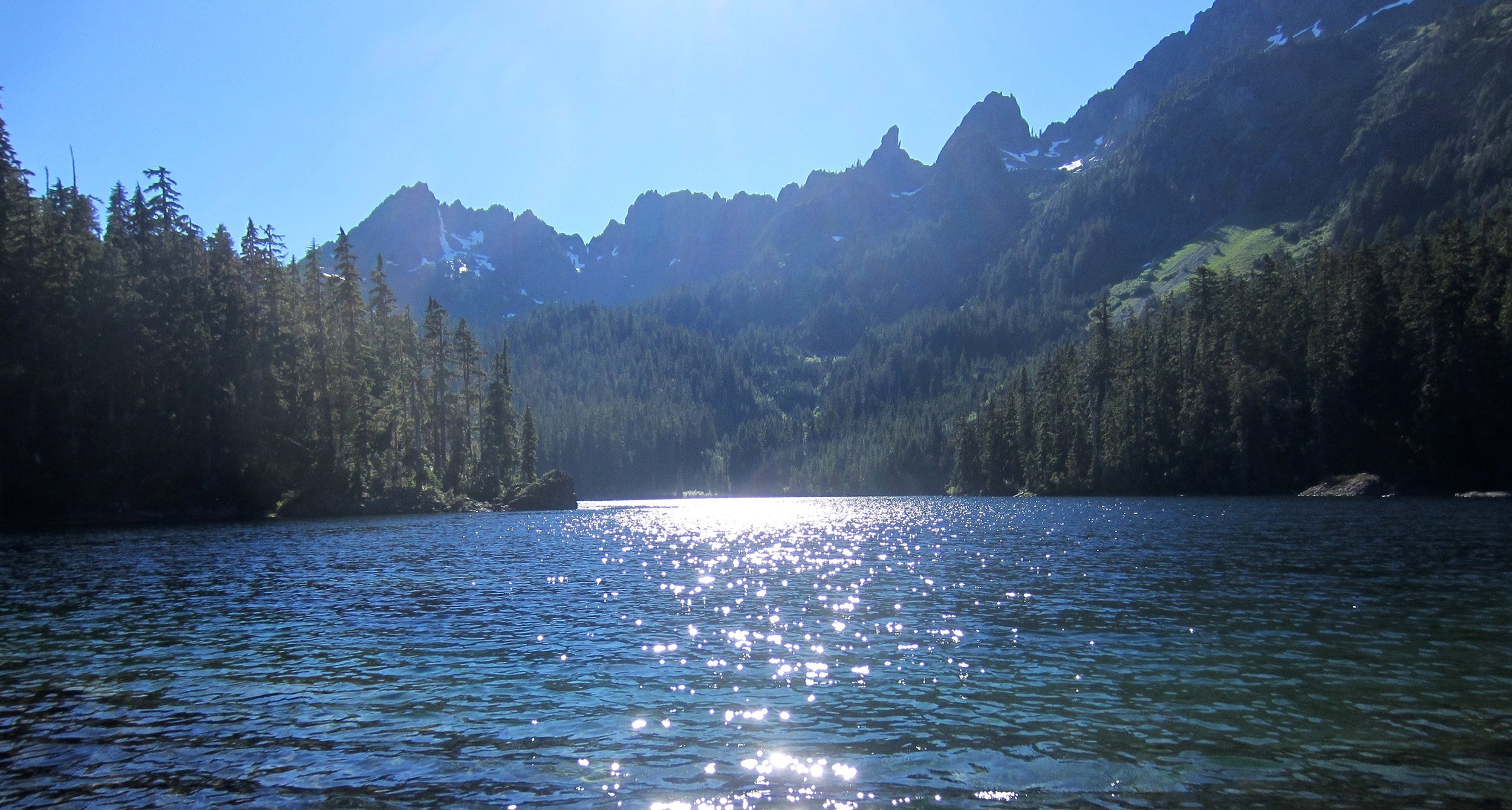
This simple, powerful sentence sums up perfectly for me the connection I feel to the coniferous forests of western Washington and Oregon. Beginning in 1986, I have worked in the rugged landscapes of the Pacific Northwest as a U.S. Forest Service biologist, conducting surveys for different wildlife species, and helping to restore habitats.
I began my career, as many did back then, surveying for northern spotted owls, then soon added marbled murrelets, Roosevelt elk, blacktail deer, and numerous amphibians and reptiles to the inventory list. Along with trying to understand presence and distribution of different species, I have been involved in work to restore and enhance snag, wetland, meadow, and old-growth forest ecosystems.
Being part of the Forest Service world has also necessarily involved working on wildfires, first as a member of a fireline hand crew and more recently as a resource advisor, a job that involves advocating for sensitive areas during fire suppression operations.
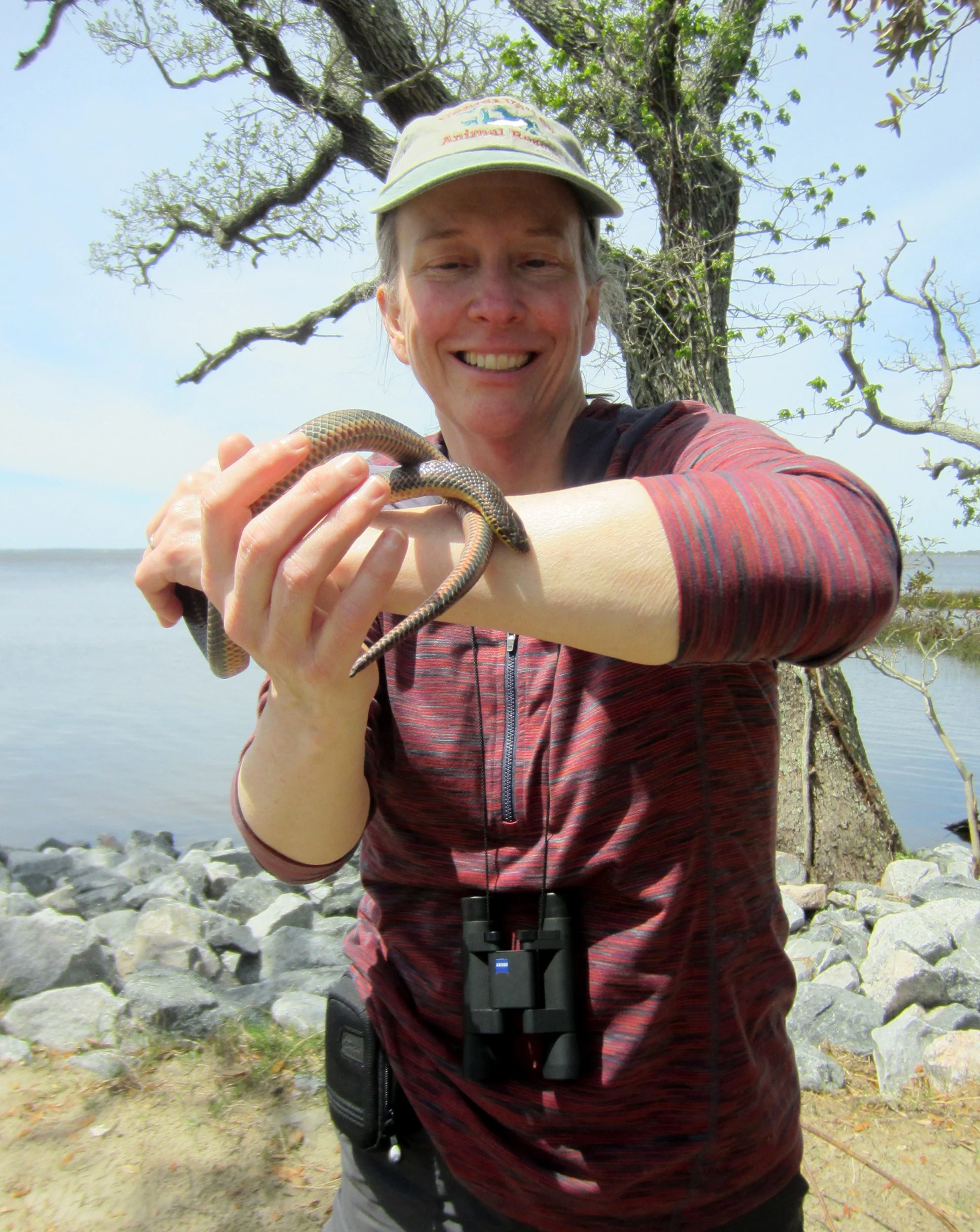
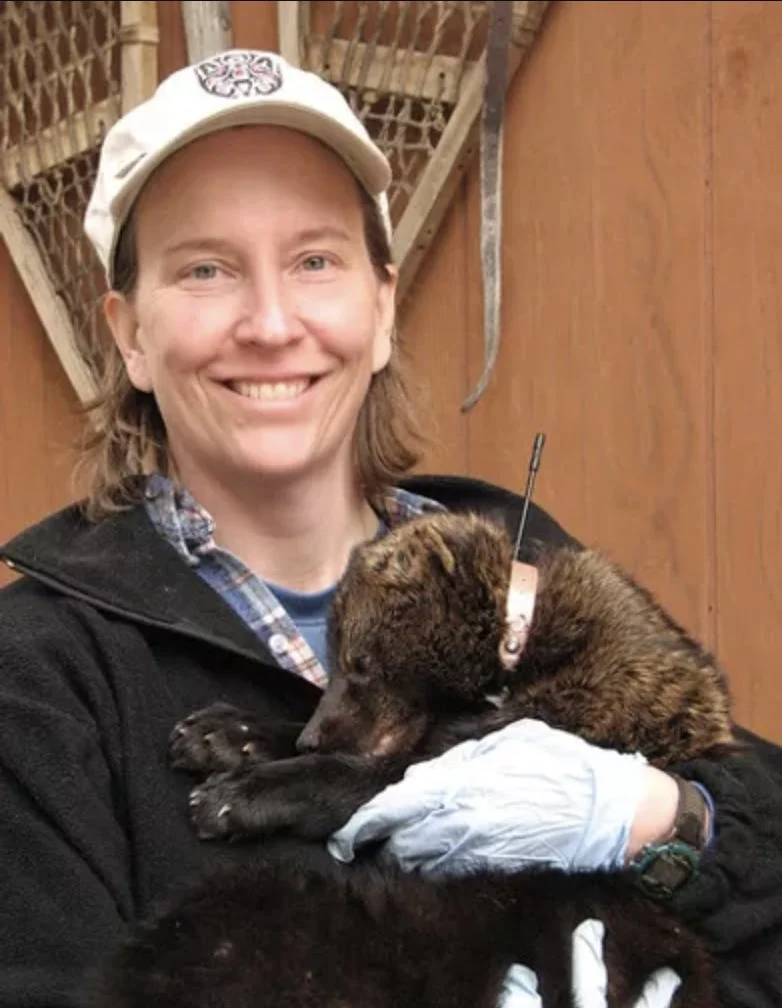
The work of a USFS biologist is varied; “generalist” is the word we often use to describe ourselves. Yet, I’ve also had the good fortune to be able to focus on a few species of particular interest to me, including the Pacific marten, a small member of the weasel family (think squirrel-sized version of a wolverine), different amphibians, a few reptiles, and, of course, spotted owls.
In 1998, I resigned from the Forest Service to become a writer. Though I loved my work in the woods, I also longed to do something different, and I really wanted to write. While beginning to compose articles on natural history and travel, I also found myself taking a most unexpected path as I researched my personal connection to the American Civil War.
When I returned to the agency in 2004, I was finishing work on my memoir, Acoustic Shadows, a chronicle of the military careers of my father and great-great-grandfather, and rediscovering my earlier passions with carnivores, amphibians and reptiles, and the temperate rainforests of the Pacific Northwest. I had returned to the forests that had birthed me, the places that when I breathed them in, memories were triggered.
My time away had been invaluable but also lonely in some sense. I return to the words of Robin Wall Kimmerer as she describes the concept of “species loneliness” in Braiding Sweetgrass, “a deep, unnamed sadness stemming from estrangement from the rest of Creation, from the loss of relationship”
It was good to be home again, this time in the Olympic Mountains of Washington State. Not only could I once again do the field work and research that I loved, but I also now had the skills to write about the endlessly fascinating natural world and the many wildlife species residing everywhere: below ground, in the mid-story, high in the canopy, and above in the sky. —Betsy L. Howell