
Time Travelers
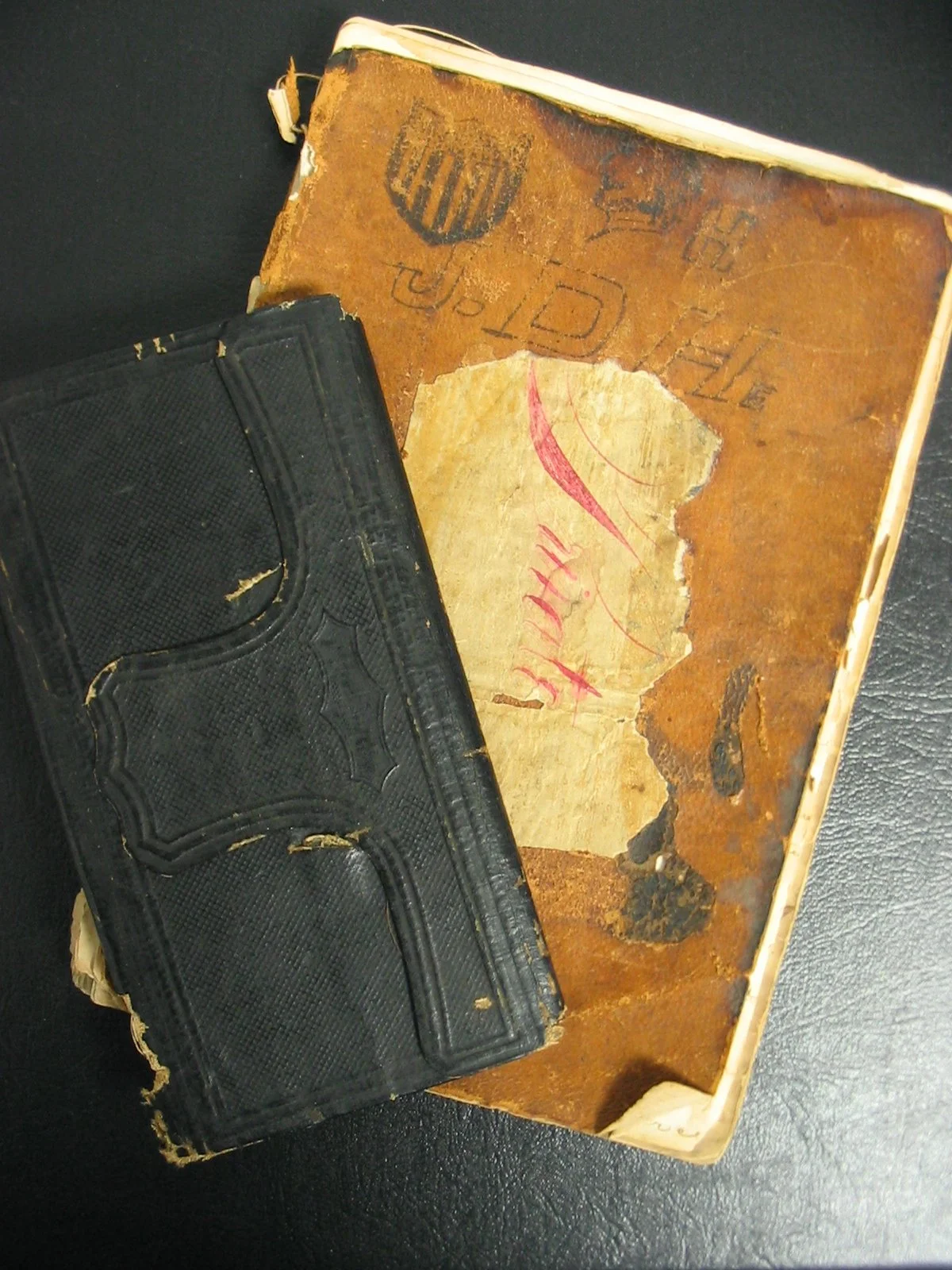
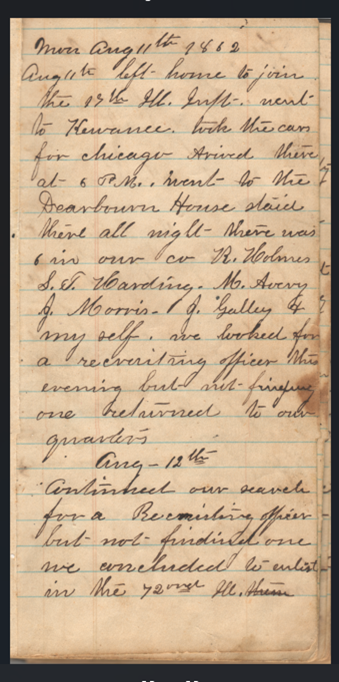
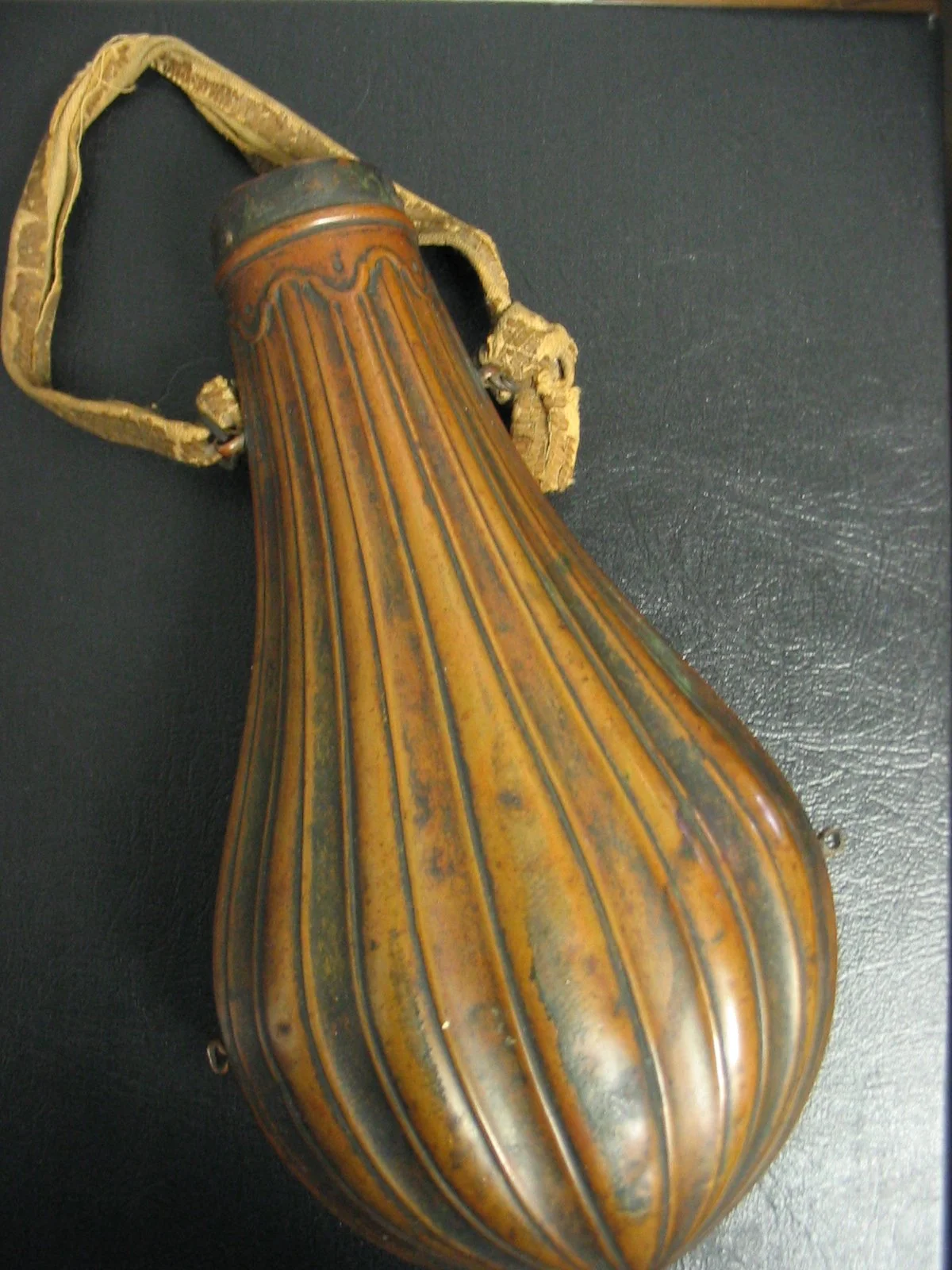
When I began working on my family history and doing research that would eventually turn into my 2007 memoir, Acoustic Shadows, I had two treasures from the past to guide me. From 1862 to 1864, my great-great-grandfather, James Darsie Heath, served as a private, later promoted to corporal, in the 72nd Illinois Infantry Regiment. He and his stepbrother Jake Galley left their home in western Illinois in August 1862 for Chicago where they enlisted, and then headed south to Cairo, Illinois, at the confluence of the Ohio and Mississippi Rivers, where they trained to become soldiers. Darsie kept a journal from the beginning of what would turn into a formidable three-year period in his life. Just 18 years old at the time, he soon found himself a part of Ulysses Grant’s Army of the Tennessee, the great force that would, after months of painstaking travel down the Mississippi River and its backwaters, dislodge the Confederates from Vicksburg.
These journals came into my possession after both my parents died in the 1990s. In 1999 and 2000, I spent a total of six months retracing Darsie’s journey from Kewanee, Illinois, to where his second journal finishes in April 1865, just outside of Montgomery, Alabama. Getting to know my ancestor and reading about the trials he faced helped me to understand another soldier in my family, my father. His own trauma from the wars he had participated in as a paratrooper (World War II and the Korean War) and the resulting alcoholism he suffered his entire adult life had impacted my own life, in large and small ways. Without Darsie’s journals, my attempts to travel into the past would have looked very different and, in my opinion, resulted in a far less complete picture of both men.
I have always loved seeing and holding objects from the past. Because they are part of my family, these two journals are especially important to me. But the feeling of fondness and the value I place on historical ephemera stretches out to all time travelers that intersect with my life. Many years ago, when I was still deep in Civil War research, a friend of a friend gave me a box of memorabilia that she’d inherited but that had belonged to people for whom she’d had no blood ties. Ginger told me she’d found the box of letters, old photographs, and certificates among her father’s effects after he’d died. The box had belonged to the woman he’d married just a few years before and I don’t believe Ginger had even known about it until both older people had passed. She could see the items had value, but she felt no connection to them personally. Was I interested in having them? I most definitely was. At this time, around 2011 or 2012, I had finished my memoir and was writing a historical novel set between 1858 and 1865 that took place partly in Illinois. Reading more primary source material from the time would be invaluable to me.
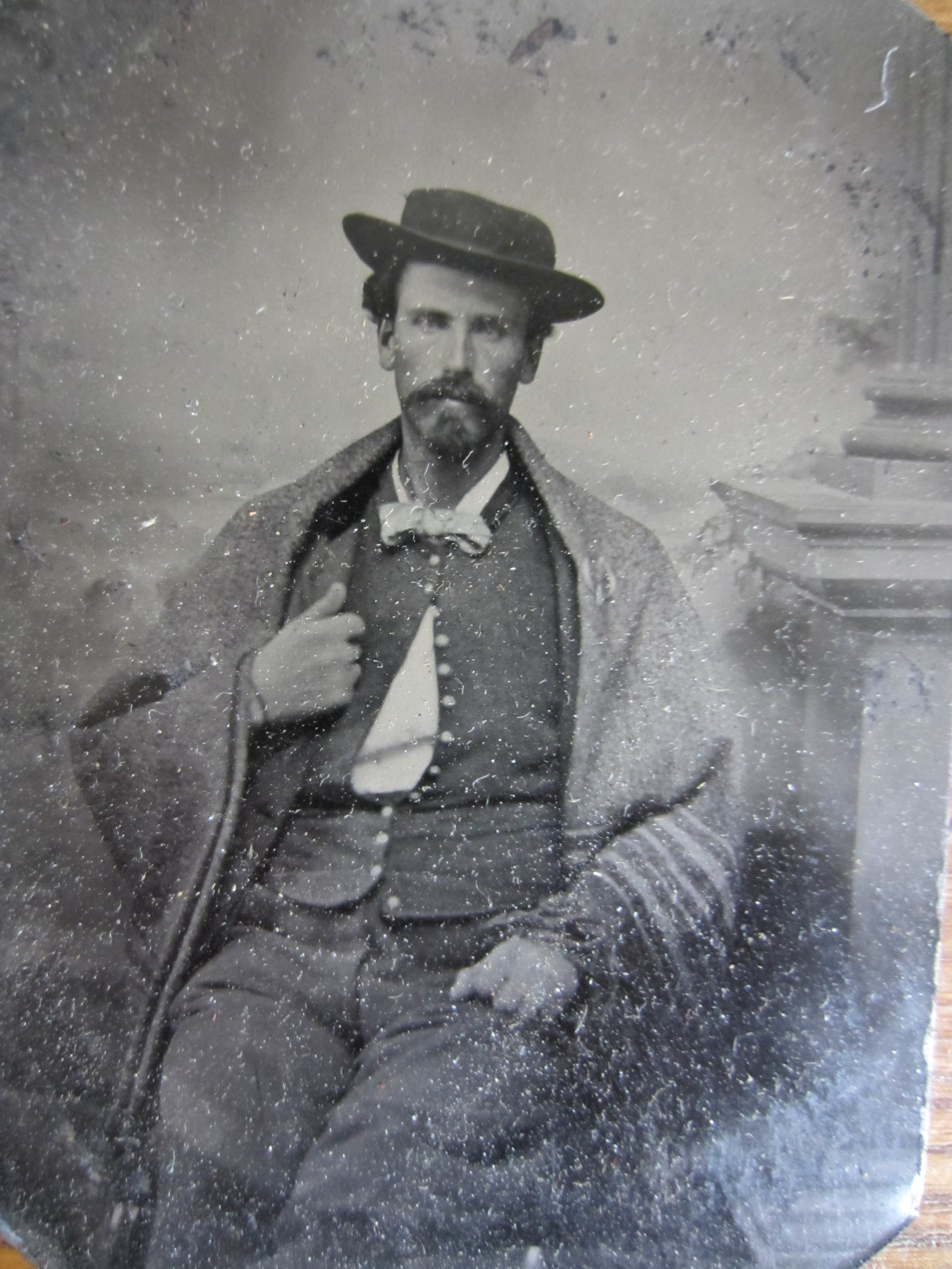
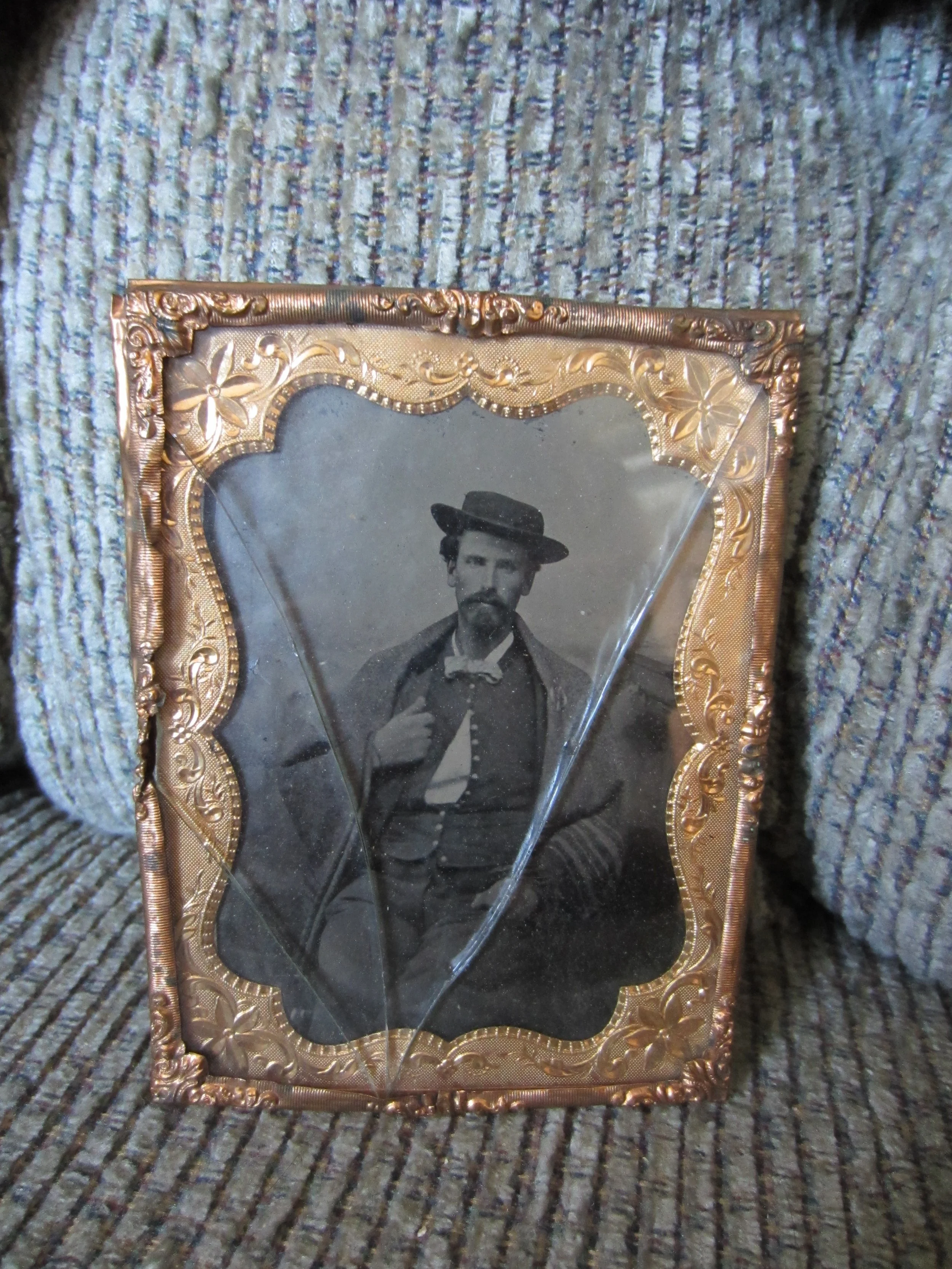
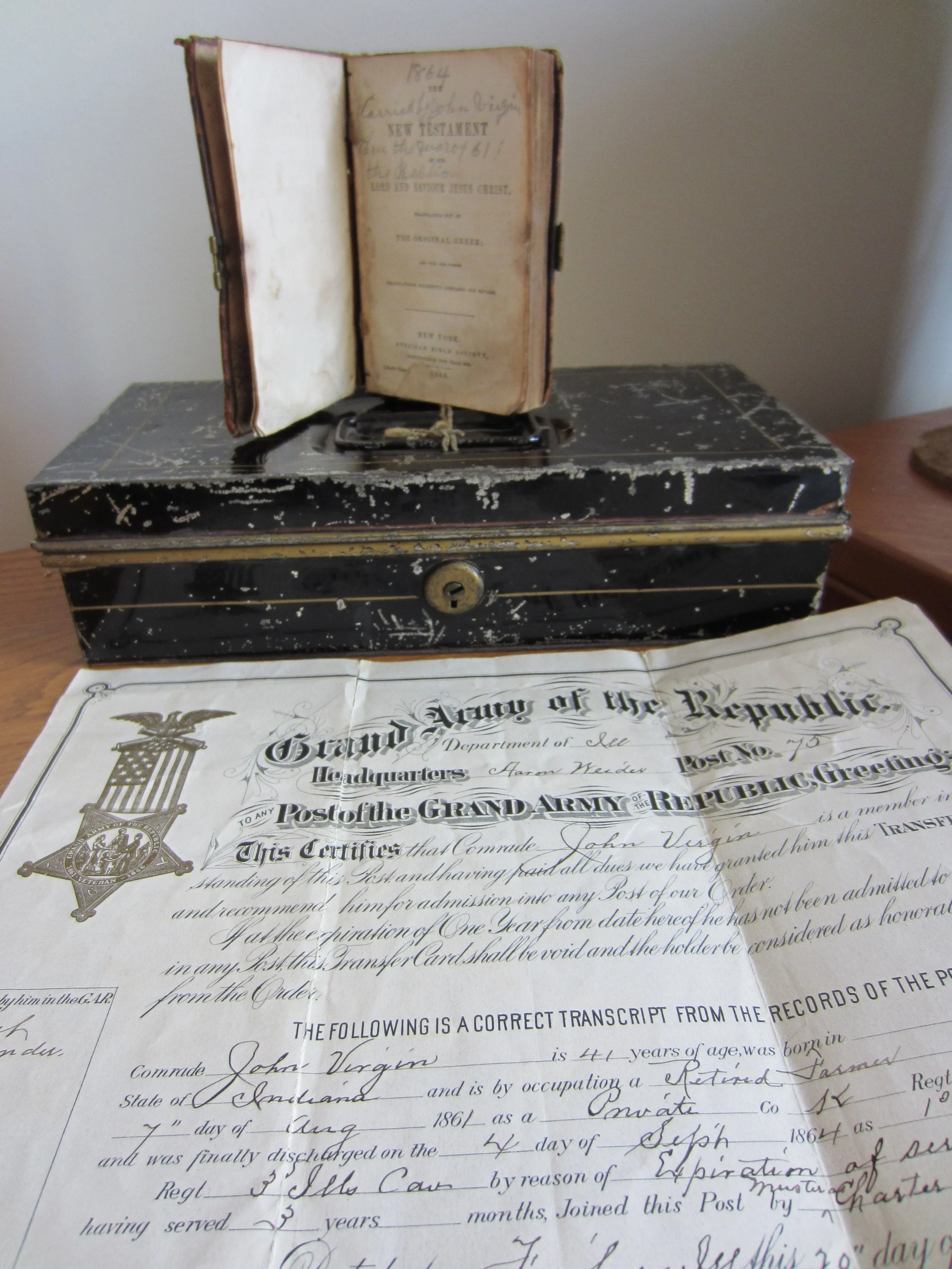
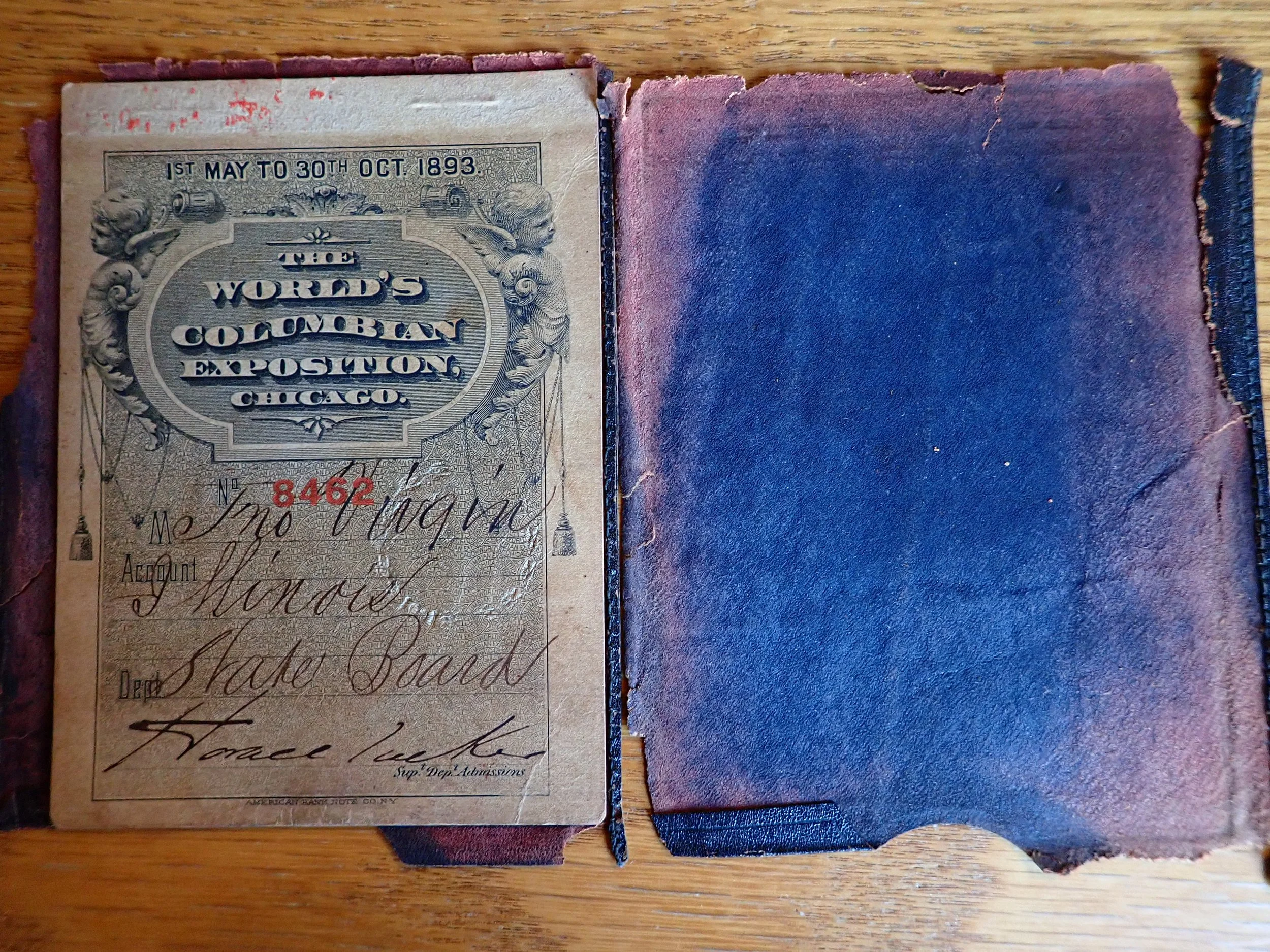
The treasure chest contained many missives from the past. Most items had belonged to a man named John Virgin, who had been a member of the 3rd Illinois Cavalry from Fairbury, Illinois, approximately 100 miles from where my great-great-grandfather had lived. There was a certificate for John from the Grand Army of the Republic, the soldier’s organization that formed in the North after the war, a pass for John from the 1893 World’s Fair in Chicago, as well as photographs of him in his uniform, and a scratched, metal box filled with smaller pieces of paper and photographs. There were also bundles of letters written by his grandson during the Great War.
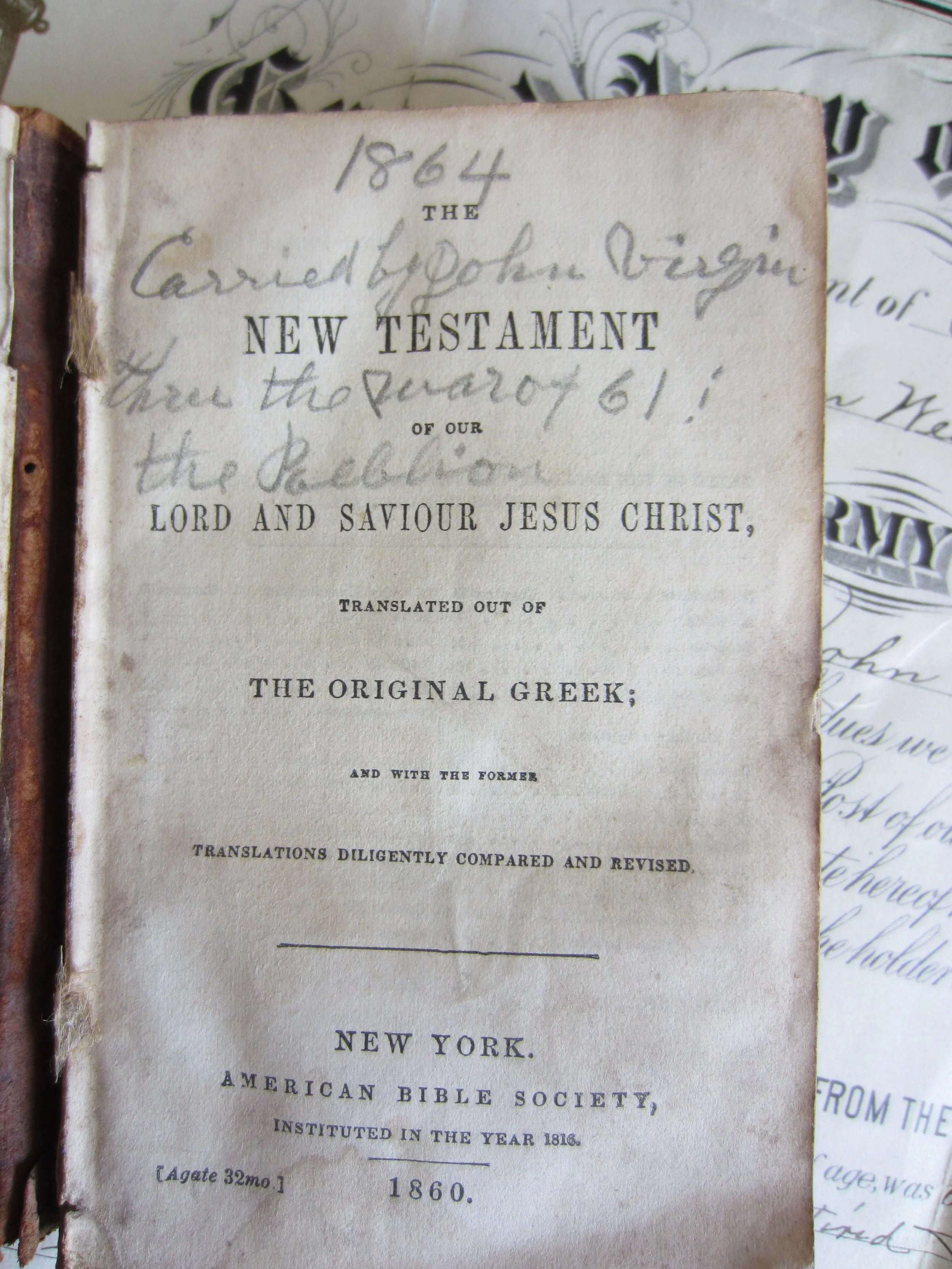
A copy of the New Testament had this written in pencil on the title page: “1864 Carried by John Virgin thru the War of 61,” followed by what seem to be the words, “the Rebellion.”
There were many photos of people I obviously didn’t know and though I looked through the Great War letters some, I didn’t spend much time with the box as it didn’t seem to have a lot I could use for my research, and after a few weeks it was stored away in our garage. In 2017, I published my novel, The Marvelous Orange Tree, and soon was devoting all my writing and research time to a collection of essays about my work as a wildlife biologist.
More years passed and 2025 arrived. In September this year, I turned 60 years old. There’s nothing like attaining an age with a zero behind the first number to make one feel some urgency around organizing and preparing for the next stage. With no children and few remaining family I’m in touch with, I have much that must be taken care of, including determining where my great-great-grandfather’s journals, my father’s military memorabilia, and other items from my own life should go. I’ve also had John Virgin’s box to deal with. Long ago, during one of my trips to the South, I had met a young historian at the Old Courthouse Museum in Vicksburg where I spent several days researching the 72nd Illinois Infantry’s participation in the siege and battles there. One morning, I arrived at the museum and found Jeff sitting in front of a box of items looking like a kid on Christmas morning. He told me that out of the blue someone had sent them letters and papers that had been found in an attic, and they were donating them to the museum. This was a big part of Jeff’s job: organizing and archiving this valuable historical material that hadn’t been lost to the winds of time.
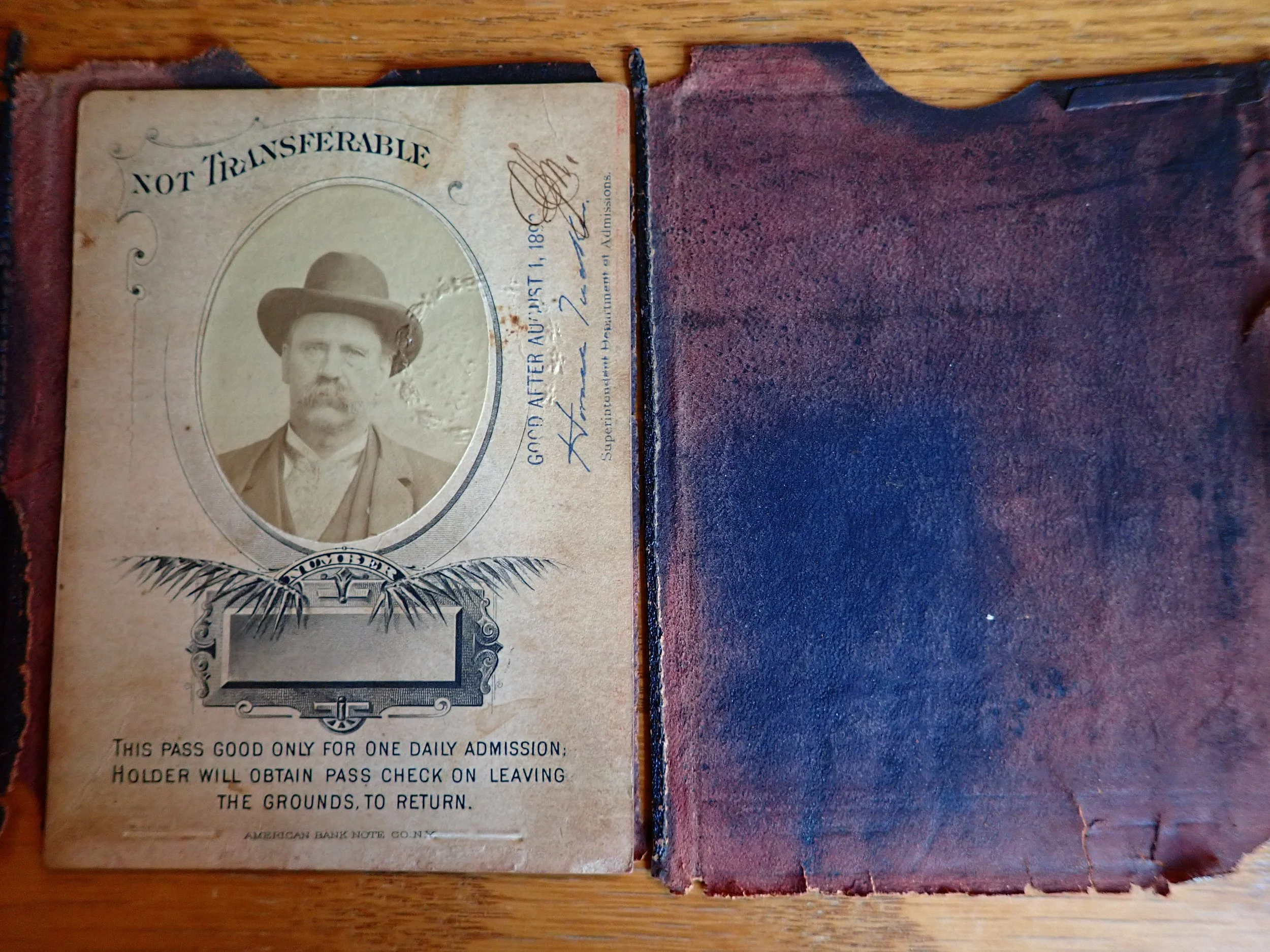
I decided last month that this was how I might also find a home for John Virgin’s things. I looked him up online, found he’d been from Fairbury, Illinois, and then found a website for the Fairbury Echoes Museum. Very soon, I was corresponding with Dale Maley, a retired engineer and historian and person who wears many hats, I believe, at the museum. He was most excited to accept this box of history about a citizen who was very well known and regarded in Fairbury. Dale told me he’d already written several articles about John Virgin, all posted on the museum’s website. He also said that the very day he’d received my email, he had been thinking about him. Dale said he’d been considering writing more about this man who had figured prominently in the town’s history, and that he then got home, checked his email, and found my most timely message.
Julia Cameron, in her seminal 1992 book, The Artist’s Way, describes the role that synchronicity plays in our lives and creative endeavors. She writes that by the very simple act of opening up to possibility, then possibilities will arrive, or, more simply, “Leap, and the net will appear.” I have had this experience many times with my writing, where I just didn’t know what I was doing or where the work was going, but somehow I opened myself up to…something. And then, after a good night’s sleep, or maybe in the middle of some completely other activity, the answer would appear. Both Dale and I had been thinking about John Virgin on the same day and now we are connected through our mutual love of history and beliefs that the past is crucial and worth the effort to know and pass on. Of course, this attachment means different things to everyone, but for me, the work is about helping us in this time to understand who we are and who we have been. To know of the valor and bravery that came before, as well as all the ways our long ancestral pathways are littered with the very worst that humans can do to each other. History, I believe, isn’t for the faint of heart, if you really choose to explore it all. But it’s definitely worth it.
Today is the 161st anniversary of the 1864 Battle of Franklin, Tennessee. I have spent much time studying this battle, read many books about it, and wrote about it in my memoir and set scenes there for my novel. The battles of Franklin, Nashville, and all that were a part of the Vicksburg Campaign formed some of the biggest of the war for the 72nd Illinois. In the summer of 1998, I transcribed my great-great-grandfather’s journals. He wasn’t a prolific writer, nor did he write much about his feelings. But I didn’t care as I was happy to have anything from his life. And depending on what was going on, sometimes Darsie wrote more. On May 22, 1863, the Union forces attempted their second assault on the Confederate works. Darsie wrote this, presumably that evening:
This morning the Major came to us and told us we had to charge the enemies works. We are to charge at 11 AM while in camp waiting for orders we saw some of the 8th mo They volunteered to charge they succeeded in planting their colors on the Breast works but could not go over. Their flag was shot down but it was replaced again. We were then ordered to move up the ravine towards the Rebel works. The 95 in advance on the left the 72nd supporting them. We lay under Cover of the hill waiting for the signal from the Colonel of the 8th Mo We were then ordered to move to the right we then came in sight of the rebel works they poured in a storm of musketry in our ranks. Four of Co A was killed in the first fire. Here Septer Harding [a friend from Kewanee] was shot he never spoke after he was hit he lived for an hour perhaps but I think he did not suffer any at all. We were then ordered to move off to the left and there we were in range of our own and the enemies Batteries. Here we lost the most men.
While doing my research, I collected writings by other members of the 72nd Illinois. William Mohrmann, a corporal in the same company as my ancestor, wrote of his experiences after the war. On this horrendous day, when Union soldiers were picked off like rats by Confederate forces well entrenched at the top of the hill, Corporal Mohrmann had helped carry a wounded soldier back down the hill then returned to the line.
When I resumed my place as file-closer Private Heath, being badly demoralized commenced to crawfish down hill and after a warning order I crawled on top of him and boxed his ears soundly and he got over his nervousness.
Some days later, during the Union army’s ensuing siege of Vicksburg, a shakeup in the officers of Company A occurred, including Corporal Mohrmann being promoted to second lieutenant. After explaining these changes in his memoirs, Mohrmann wrote:
The funny feature in the whole business to me was that the man whose ears I cuffed during the charge voted for me to be his officer.
Dale Maley has now gone through everything in the box I sent and will be writing more in the future about John Virgin of Fairbury, Illinois, Journey Of Rare Documents. I think that putting together the puzzle pieces of the past is very important work. I’m so glad I’ve been one of the caretakers of Mr. Virgin’s things, and that his descendants and others may encounter the Virgin family story years and decades from now.